Click here to read my article “Free Speech Is Not the Issue; Intellectual Power Is,” which was recently published in CounterPunch.
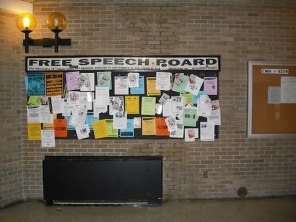 Excerpt: “The question we should be asking, then, is not the abstract one of whether or not an individual or institution is “for” or “against” free speech in general, and then confusedly extending this to the university context. The real question is: what are the institutional forces that are empowering certain ideas and—by necessity—excluding or sidelining others? This requires examining the power structures that produce the very field of possibility for thought and organize the purportedly “open debate” in terms of viable intellectual positions. It also means analyzing how the intellectual and moral torpor of a “one-size-fits-all” principle of “free speech” directly contributes to distracting us from actually holding institutional power brokers accountable for the types of ideas they are endorsing and disseminating. […read more]”



 GABRIEL ROCKHILL